Secrets to Successful Job Applications: Insider Tips for Crafting a Winning CV, Resume, Cover Letter and LinkedIn Profile
Introduction
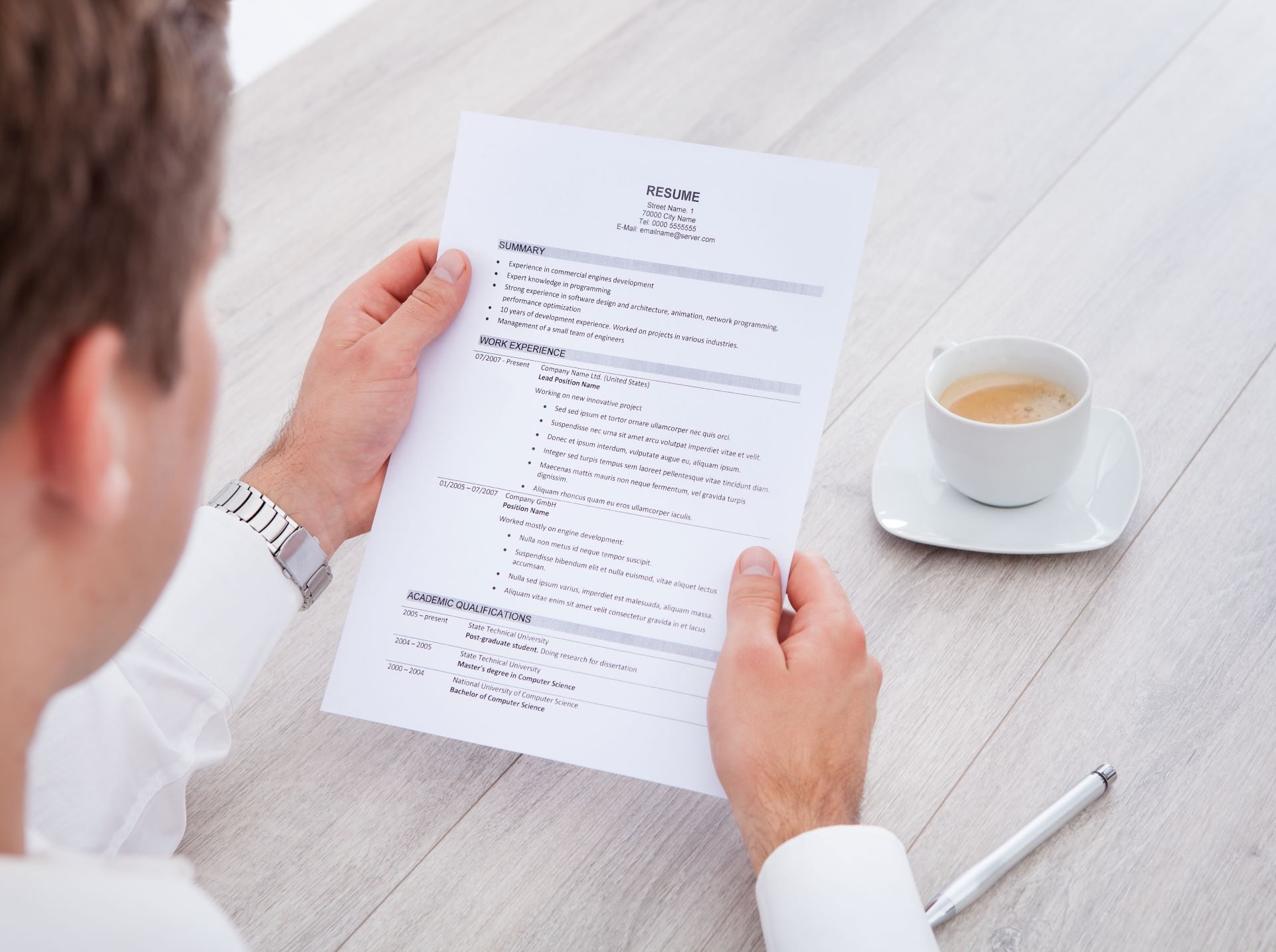
When it comes to submitting your application, your CV, cover letter, and LinkedIn profile are essential in making a good first impression. A well-written and well-presented CV can highlight your qualifications and experience, differentiating you from other candidates. A covering letter can offer a chance to share your interest and enthusiasm for the job, while a up-to-date LinkedIn profile can highlight your professional network and accomplishments.
Our firm specialises in offering professional resume writing and LinkedIn profile updating services. Our team of professionals can assist you in creating a CV that shines, a cover letter that engages the employer’s attention, and a LinkedIn profile that displays your career image. With our help, you can be confident that your job application materials are of the top quality, giving you the greatest chance of getting the job.
Mastering the Art of CV Writing: The Comprehensive Guide for Career Changers
Creating your CV can seem like a daunting task, but it is critical to landing your ideal job. A well-crafted CV is your document that highlights your qualifications, skills, and experience in a clear and concise manner. Its goal is to show potential employers why you are the perfect candidate for the job.
When crafting your CV, it is important to keep in mind that employers are seeking certain key information. They want to know about your relevant skills, work experience, and qualifications. They also want to see that you have achieved certain achievements in your previous roles.
Want to make your CV stand out? Here are some proven strategies to help you impress employers:
- Customise your CV to the specific job you are applying for by highlighting the skills and experience that match with the requirements listed in the job description.
- Use impactful action words and phrases to outline your accomplishments and responsibilities in your previous roles.
- Keep the format and styling of your CV clean and professional. Avoid using creative designs or fonts.
- Provide specific examples of your qualifications and experience, rather than making non-specific statements.
- Check and refine your CV multiple times to ensure there are no errors or typos.
There are several popular formats that CVs can take, such as chronological, functional, or combination. Each format has its own strengths and drawbacks, so it’s important to choose one that best emphasises your qualifications and experience.
You can find examples of these formats online and choose the one that fits for you.
What a Cover Letter when applying for a position?
A resume letter is a crucial document that supplements your CV when applying for a job. Its goal is to introduce yourself to the hiring manager and express your interest in the position you’re applying for. A resume letter is your chance to showcase your skills and achievements in a more engaging and personable way than your CV. It should always be tailored to the position and organisation you’re applying for.
A resume letter typically includes the following information:
- Starting off with a personalised salutation to the hiring manager
- Introducing yourself and showcasing your relevant qualifications
- A summary of your relevant experience and skills
- A statement of your interest in the position and the company
- A closing and contact information
Here’s an example the resume letter:
Dear [Hiring Manager’s Name]
I am writing to inform you of my enthusiasm for the [Job Position] role at [Company|job at [Company|in the company|position at [Company|for the position of [Company} Name]. As an extremely skilled and knowledgeable [Your field] I am confident that I will make the ideal choice for this position.
I have [Number] years of experience in [Your Industry], and have a strong background in [Specific Abilities or Duties]. I am interested in the opportunity to work with [Company Name] as a result of your excellent reputation for [Company’s] reputation].
I believe my abilities and experience make me a ideal candidate for this position. I would love the opportunity to discuss further with you about how I can add value the team.
Thank you for your consideration of my application. I look forward to having a conversation with you.
Sincerely,
[Your Name]
It is vital to understand that your resume letter should be different from a CV. While the latter is a record which outlines your credentials, skills and experience in a clear and concise manner A resume letter the document you use to introduce yourself to the manager who is hiring you and expresses your desire to be hired. the position. The primary differences between a resume letter and a covering letter are that a resume’s letter is more conversational and personal however a CV is more formal and precise.
When it comes to the size of your letter, you must keep it simple and clear. A resume letter should not be at least one page, and it should be simple in reading and skimming. Do not use large blocks of text or fancy formatting.
In summary it is an important part of the job application process which allows you to provide yourself and your qualifications to the manager hiring you and let them know that you are interested in the job. It must be customised specifically to the position and organisation you’re applying to it should be succinct and easy to read.
How to write a resume for Your First Job
Making a resume to apply for your first job could be an overwhelming task, particularly those with limited working experience. However, it’s important to be aware that even entry-level applicants have accomplishments and skills that can be highlighted on an resume.
When you’re writing a resume that’s when you’re applying for your first employment, you should focus on transferable skills, such as communicating, problem-solving, and teamwork. These are skills you’ve developed through volunteer work, internships or other extracurricular activities. Also, you should include any relevant education or coursework which demonstrate your expertise of the area that you’re applying to.
Another important step is to customise your resume for the specific job or company it is you are applying to. Find out more about the company and job description, then modify your resume to demonstrate the ways your talents and experience meet the specifications listed.
Also, it’s a good idea to include a summary or objective description at the high point of your resume. This should emphasise your abilities and career goals.
Here’s an example of a sample resume that is suitable for job seekers who are just beginning their career:
Name: John Doe
Contact Information: Phone number, email address, LinkedIn profile
Summary: Organised and meticulous recently graduated from college with the degree of Marketing and work experience in market research and analysis of data. Solid communication skills and teamwork acquired through volunteer and internship work. Seeking entry-level marketing position in order to apply the skills and knowledge to a professional work environment.
Education:
- BA in Business Administration, XYZ University, Graduated May 2021
- Coursework that is relevant: Market Research, Data Analysis, Consumer Behavior
Experience:
- Intern, ABC Marketing Firm, Summer 2020
- Assisted with market analysis and research for clients of various kinds
- Acquired strong skills developed in Excel and PowerPoint
- Volunteer, DEF Nonprofit, 2018-2020
- Planned and coordinated fundraising events
- Achieved strong teamwork and communications abilities
Skills:
- Market Research
- Data Analysis
- Excel
- PowerPoint
- Communication
- Teamwork
References: Available upon request
As can be seen in the example above, the resume highlights the job seeker’s education and relevant work experience, relevant coursework, volunteer work and skills to show that candidates have transferable skills and knowledge that can be put to use in the position they’re applying for.
How to Write a Resume for a First Job within Port Lincoln
In the case of job applications for jobs in Port Lincoln, it’s important to know the distinction between the CV and resume. A CV, or curriculum vitae is a more complete document that generally includes an in-depth educational and professional background. A resume is, however is a less formal, more specific document that is focused on your skills and experiences relevant to the specific job you’re seeking.
If you’re writing an CV to apply for your first job for a new job Port Lincoln, it’s important to tailor it to the local job market. This includes highlighting your relevant work experience for example, internships or volunteer activities, and demonstrating your understanding of the industry or field you’re applying to. Also, it’s essential to include any skills in languages you have, because Port Lincoln is a multilingual nation.
To help you get going, here’s an example CV for a first-time job seeker in Port Lincoln:
John Doe’s Name John Doe
Contact Information:
- Email: [email protected]
- The phone number is 0412345678.
Summary:
- Recent graduate of a Bachelor’s in Business Administration and experience in customer service and sales. Proven ability to work in teams and have excellent communication skills.
Education:
- Bachelor’s of Business Administration. University of ABC (2018-2021)
- Diploma in Business, XYZ(2016-2018)
Experience:
- The Warehouse Sales Associate The Warehouse (2019-2021)
- Customer Service McDonald’s (2017-2018)
- Volunteer, Red Cross (2016-2018)
Skills:
- Effective communication and interpersonal skills
- Expert proficient Microsoft Office Suite
- Fluent in English and Spanish
References:
- Available on your request
How to write a resume If You’re Not Experienced
A resume can be a daunting task, especially when you have little or no experience in the field. But it’s essential to remember that everybody has to start somewhere . Fortunately, there are methods to make the most of your talents and accomplishments even if you have not held a formal job before.
When writing a resume with no prior experience, it’s essential to emphasise transferable skills. They are the qualities were acquired through various activities such as volunteering, internships and other extracurricular activities which can be utilised to land the position you are seeking in your field. For example, if you have been a member of the student organisation, you may have experience in leadership, teamwork, or event planning. Make sure you highlight these skills and any accomplishments you have achieved within these fields.
Another key aspect to remember when writing a resume with no experience is the formatting. If you are not listing your job experiences first, you should start with a summary of your qualifications or a skills section. This allows you to draw attention to your transferable talents and achievements immediately. Also, make sure you employ a simple and straightforward design and also think about bullet points to make your resume more visually attractive.
Here is an example for how to structure your resume even if you have no experience
Name and contact details
Qualifications Summary:
- Detail your transferable skills
- Make sure to highlight any achievements
Education:
- Include your degree or certifications and the institutions you went to
Skills:
- List your transferable skills
- Be sure to include any pertinent software and language proficiency
Volunteer/Internship experience:
- Give examples of any experience you’ve gained through volunteer work or through internships
- You should highlight any achievements or responsibilities you held during these roles.
References:
- Include at least two references from professionals
Keep in mind that the main part of writing a resume for someone with no expertise is to be authentic as well as highlight your skills and achievements you have. And also, you can utilise a professional resume writing service to assist with your resume. They will help you present your abilities and experience to the greatest extent possible and increase your odds of being hired.
Is a Resume Letter the same as a CV?
In the context of job applications"resume letter, "resume letters" as well as "CV" are frequently used interchangeably. But they’re not exactly the same thing. A CV or curriculum vitae, is a longer and more precise document that offers the complete picture of your credentials, abilities, as well as your experience. A resume letter, on the other hand is a briefer document that highlights your relevant skills and qualifications for the job you are applying for.
When you’re deciding which one to use it is dependent on your situation and what that you’re seeking. In general, a CV is most commonly used to apply for research or academic positions and for certain kinds of professional positions such as those in legal and medical fields. A resume in contrast is generally used for more traditional job post in the private industry.
If you’re not sure what one you should use, it’s recommended to look over the job advertisement or contact the hiring manager for direction. In certain cases the applicant may choose one or the other, or they may have specific requirements for the format or the contents of documents.
In any case the resume and a CV ought to be tailored to the particular job you’re applying forby making sure to highlight your most relevant qualifications as well as your experience. It’s also vital to write a professional cover letter accompanying the resume or CV. It emphasises why you’re the best fit for the job, and how your qualifications match the requirements for the position.
In addition, it is also essential to have an updated LinkedIn profile that reflects your experience and professional qualifications as well as to make use of all of the tools to aid you in the job application process. This is why a professional resume writing service could be of great help, as they have the experience to assist you write a CV, resume as well as a cover letter and LinkedIn profile that gets you noticed by the hiring managers.
How to Write a Professional CV and Resume
When applying for a position having a professionally written curriculum vitae and resume will make an impact. The following section we will provide tips and advice on how to create your resume and CV be noticed by potential employers.
In the beginning, it’s essential to be aware of the major difference between a CV an application for a job. A CV, also known as a curriculum vitae is usually employed for research or academic jobs and is a more in-depth document which includes details on your education level or research experiences. A resume however is a less formal document that highlights your professional accomplishments and capabilities.
When you’re trying to make your resume and CV stand out, there are a few crucial things to bear in your head.
- Make sure you tailor your resume and CV for the specific position that you’re applying for. This is a way to highlight the abilities and experience that are most appropriate to the job.
- Use action verbs that are strong to describe your accomplishments include "managed," "led," or "created."
- Include specific examples as well as specific metrics that can be quantified to show your impact in previous roles.
- Make sure you have a professional, clean layout and style.
- Don’t include irrelevant information, like your interests or references.
It’s important to remember that a resume letter and a CV differ in many ways and while a CV may be more detailed, a resume letter is more condensed and is focused on the most crucial elements of your professional life.
If you follow these guidelines Your resume and CV will be well-written and will stand out to potential employers.
It is important to note that the information above is just a sample and should be customised to your specific needs and industry.
Tips for Writing about Youself on Your Resume
When it comes to writing about your personal profile, it is crucial to strike the right balance between emphasising your skills and remaining humble. One method to achieve this is to craft an effective personal statement or summary that highlights your strengths and qualifications in a concise and compelling manner.
One trick to write an effective personal statement is to emphasise the specific skills and experiences which make you an ideal choice for the job which you’re applying to. This can include things like your education, experience in the workplace, and any relevant volunteering or extracurricular activities.
Another aspect of writing regarding yourself in your resume is the need to highlight your distinctive selling points, or what distinguishes you from the other applicants. This can include things like specific achievements or awards, and any certifications, certifications, or training that you’ve completed.
It’s it’s also beneficial to use specific, precise language when describing your skills and achievements. As an example, instead of just saying that you’re "good working as a team," you could say that you "led five people to achieve a 15% increase on productivity."
When it comes to formatting your resume, it’s essential to have an uncluttered, simple layout and to avoid using overly extravagant fonts or graphics. Choose a font that is standard and use bullet points to make your resume easier to scan.
If you are submitting personal information it is crucial to keep them relevant to your job, such as passions or hobbies that demonstrate certain skills, rather than including irrelevant information.
To conclude, describing your self on your resume might be a daunting task By focusing on your strengths, qualifications, and unique selling points and using specific, precise language, you can create a personal statement that sets yourself apart from other applicants and will leave a lasting impression on potential employers.
How to Write a Cover Letter for an application to a job
In today’s competitive job market an effective cover letter can make a big difference in how your job application is noticed. A cover letter can be described as a document that goes along with your resume. It will usually be included with the application to be considered. It is an opportunity to introduce yourself to the hiring manager and explain why you are the best candidate for the job.
When you write a cover letter, it’s important to be aware that the letter must be tailored for the particular job and organisation which you’re applying. This includes researching the company and the job advertisement before you begin writing. Also, you should be sure that you use a professional tone and avoid using excessively casual words.
The most crucial elements of a cover letter is the opening sentence. It’s your chance to catch the attention of the hiring manager and make a great first impression. Start with an appealing opening that highlights your credentials and makes clear why you are applying for the position.
Another important aspect of your cover letter is to describe how your skills and experience are in line with the requirements of the job. It is important to use specific examples to demonstrate the way your skills and experience will make you an ideal candidate for the position.
Last but not least, you should wrap up your cover letter with a solid closing. This is the chance to thank the hiring manager for taking the time to review your application , and to express your interest in the job.
Here are some commonly used format and layouts for cover letters:
- The Traditional Cover Letter The traditional cover letter is a more formal cover letter format that is generally used for applications for more traditional job positions. It contains your contact information, the date, and your contact information for the hiring manager.
- This is the Modern Cover Letter It’s a less formal cover letter format and is typically used when applying for more modern job roles. The letter contains your contact information along with the contact details, but typically does not include the date.
- The email cover letter It is a cover letter sent via email rather than being addressed in person or mailed. It generally contains the same information as a traditional or modern cover letter but is sent as the content of an email, rather than as an individual document.
In the end it is a vital part of your job application. it provides you with the chance to introduce your self to the manager hiring you emphasise your abilities and present a professional first impression. Remember to make your cover letters specific to the particular job and the company with specific examples, and use an appropriate tone.
Summary
In conclusion this, the application process for jobs can be overwhelming, particularly people who are brand new to the job market or have limited experience. However, by learning the basics of how to create a resume, CV, and cover letter along with understanding their differences, applicants can improve their chances of being noticed to potential employers.
In this article, we’ve examined the significance of an effective resume, CV and cover letter as part of the job application process. We’ve also providing tips and guidance on how to write each, and provided examples to prospective job seekers to go in the right direction. We also highlighted the main differences between a resume the CV, as well as talked about how to create an effective CV or resume if you don’t have any experience.
We hope that this article was able to provide guidance and inspiration for people who are looking to expand their career. Remember, a well-written resume, CV and cover letter can make the biggest impact on the application process. We encourage you to benefit from our brand’s resume writing, cover letter writing, and LinkedIn profile update services to make an impact on potential employers.